The story, in eight chapters
Scroll on. It covers six decades, two coasts, and one tie salesman you may have heard of.
IRaleigh, North Carolina · The early sixties
It starts on the floor.
In the years after the war, the Southeast was quietly redrawing the American wardrobe. Army khakis had come home from service, the high pleated trouser was on its way out, and small men's shops were opening in college towns across the region. In Raleigh, one of them was called Norman's — and a student named Bill Jordan took a job on its floor to pay his way through school.
The tuition got paid. The plan did not survive. By graduation, Bill had realized the clothing business was the only business that interested him — so when school ended, he simply never left the floor.
IIColumbia, South Carolina · The late sixties
The store nobody wanted.
The offer came from Columbia, South Carolina: take over Brittons, a Main Street clothier that everyone assured him was about to go bankrupt. Bill accepted on flawless logic — if the store failed, he'd already been told it would. And if it didn't, he'd be the man who fixed it.
It didn't fail. He fixed it — thoroughly enough to be made a principal in the company — and stayed seven years. Brittons, for the record, is still dressing Columbia today.
IIINew York City · 1967
A borrowed showroom in the Empire State Building.
In 1967, Bill took an appointment in the Empire State Building with a young tie maker who didn't yet have a showroom of his own — he'd borrowed one from another vendor for the afternoon, a room not much bigger than a dressing room. The ties were Shetland, four and a half inches wide, and unlike anything else on the market. The salesman's name was Ralph Lauren.
Bill bought the line, making Brittons one of the very first Polo accounts in the southeastern United States. In the years that followed, he opened Polo's original retail accounts across the Southeast — the beginning of a working friendship with the designer that would shape the next two decades of his career.
"He showed it to me in a showroom that was not much bigger than a dressing room."
IVHilton Head Island · The mid-seventies
Salt air and seersucker.
By the mid-seventies Bill had traded Columbia's Main Street for Hilton Head Island, joining a partner in Knickers — the menswear shop in the shadow of the Harbour Town lighthouse, and yet another store from Bill's past that is still trading today. Then came the gas crisis, and with resort traffic pinched, the store grew too small for two families to live on.
So Bill struck out again — this time with a freestanding Polo shop of his own on the island, back in business with the brand he'd known since it fit in a borrowed drawer.
VShort Hills, New Jersey · The eighties
The Polo years.
When the chance came to open the first true freestanding Polo store on the East Coast — in Short Hills, New Jersey — Bill closed his island shop and went north. The store exceeded every expectation he had for it.
One Saturday, he watched a customer bounce off all eight of his salesmen, so he stepped in himself. The man came back the next Saturday, and every Saturday after that, until one day he walked in and announced: "I want one of these." He didn't mean a blazer — he meant the store. Bill wound up his partner in three Polo stores, and they ran them, profitably, for years.
"I don't like these guys from Chicago — but I like you. You and I are going to do the stores."
VIWilliamsburg & Charlottesville · 1994
The pull of Virginia.
By the early nineties Bill was consulting and brokering fine menswear out of New York — and two of his children were at school in Virginia, his son near Charlottesville, his daughter at Sweet Briar. It took him about a month to decide they needed a parent closer than Manhattan. So he called Beecroft & Bull, the venerable Virginia clothier, and asked to run the Charlottesville store they were planning. The answer: we'd love to have you — but first, would you look after Williamsburg?
He arrived in 1994, set the Williamsburg store right, and opened Charlottesville in 1996 — whereupon, two weeks later, both children graduated and moved back to New York. Bill stayed. He ran the Charlottesville store for a decade.
VIIMerchants Square · The return
"Then keep working."
Back in Williamsburg some years later, Bill mentioned to Rusty Bryant — of R. Bryant, Ltd., the Merchants Square clothier — that if he ever needed a hand, he was living nearby. Three days later, the phone rang. Two weeks after that, Bill admitted the truth: he'd realized how much he missed the retail floor. Rusty's reply was three words long — "Then keep working."
He did. He was still there years on, when he ran Rusty's retirement sale — and when the store changed hands, the deal came with conditions: the new owner kept the bookkeeper, and kept Bill.
VIII1006 Richmond Road · 2026
The name over the door.
Which brings the story to a storefront on Richmond Road. When Bill finally stepped away from Merchants Square this spring, James Bower — who had once looked at buying the old store himself — had a better idea: a new shop, built around the one thing sixty years in the trade cannot be bought, borrowed, or franchised. The man.
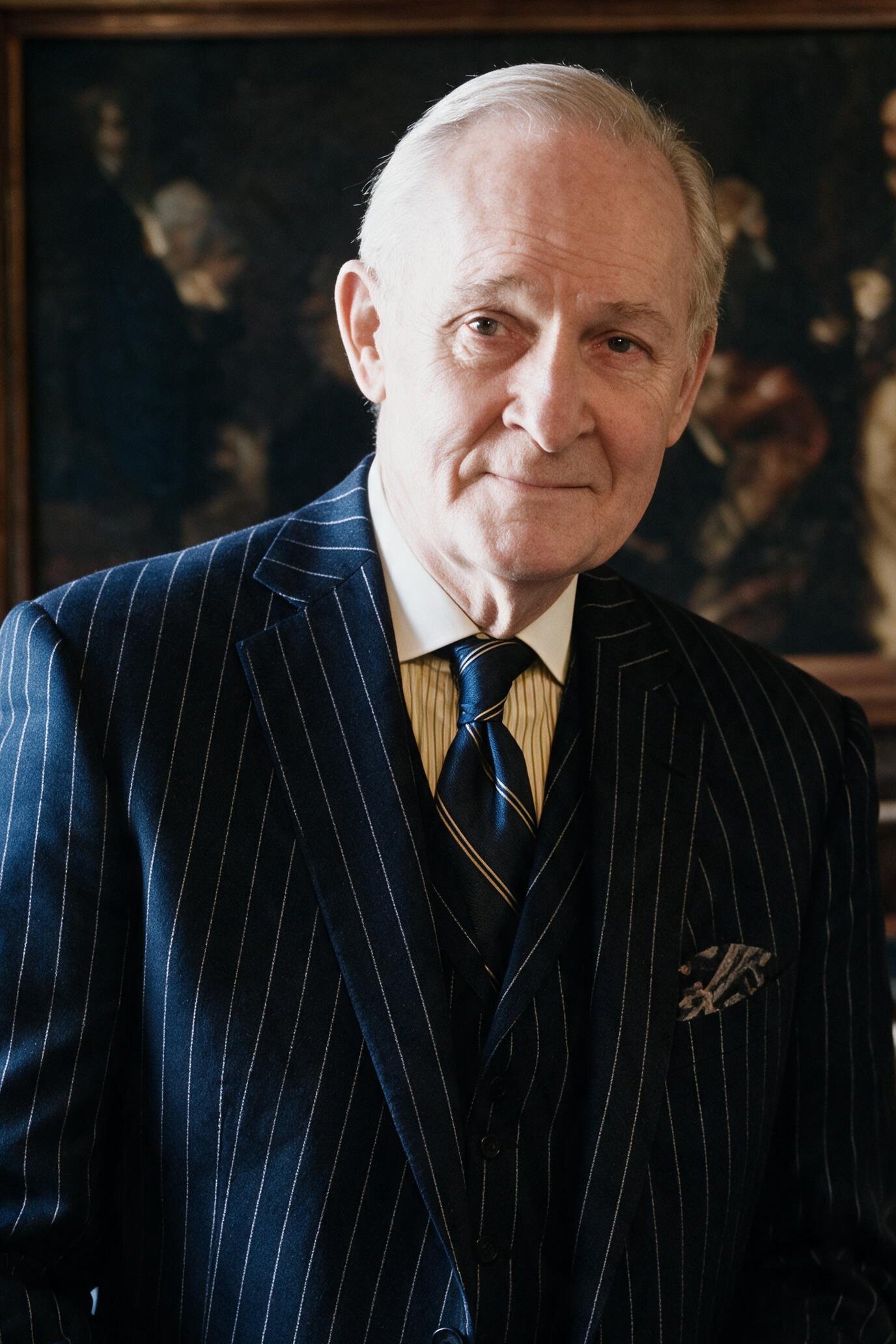
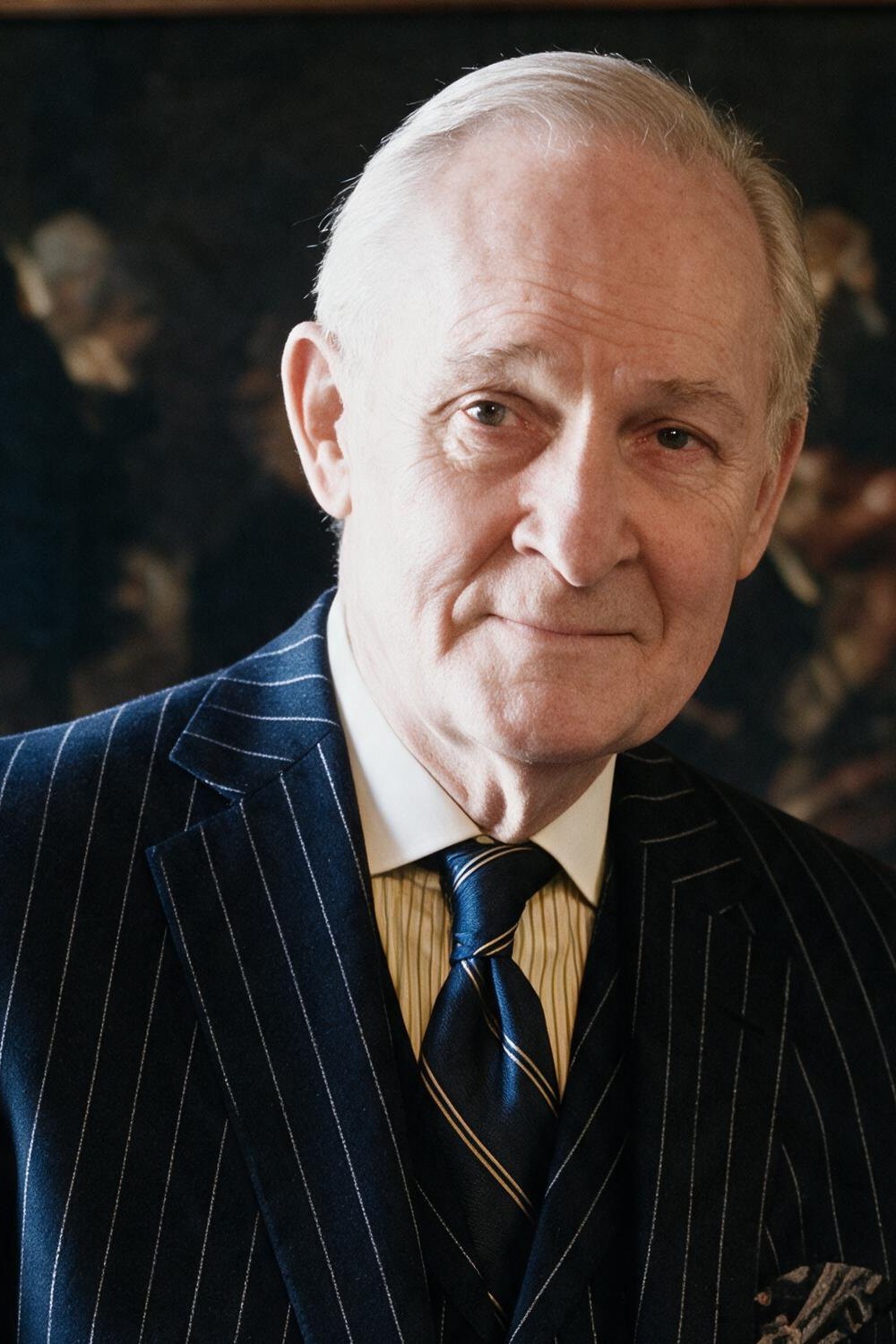
B. Jordan Menswear is that shop. The name over the door took six decades to earn. Come in and shake the hand it belongs to.
B. Jordan